
Signs of Foundation Problems: A Room-by-Room Guide for Homeowners
Foundation trouble rarely arrives without warning. Long before a wall bows or a floor drops, a house usually leaves a trail of small clues: a crack that was not there last spring, a bedroom door that needs a shove, a faint mustiness in the crawl space. Learning to read those clues is the most valuable skill a homeowner in Johnson City, Kingsport or Bristol can develop, because problems caught early are almost always cheaper to fix. This page walks through the recognised signs of foundation problems, room by room, and explains how to separate the cosmetic from the structural.
Exterior Walls: Reading the Cracks
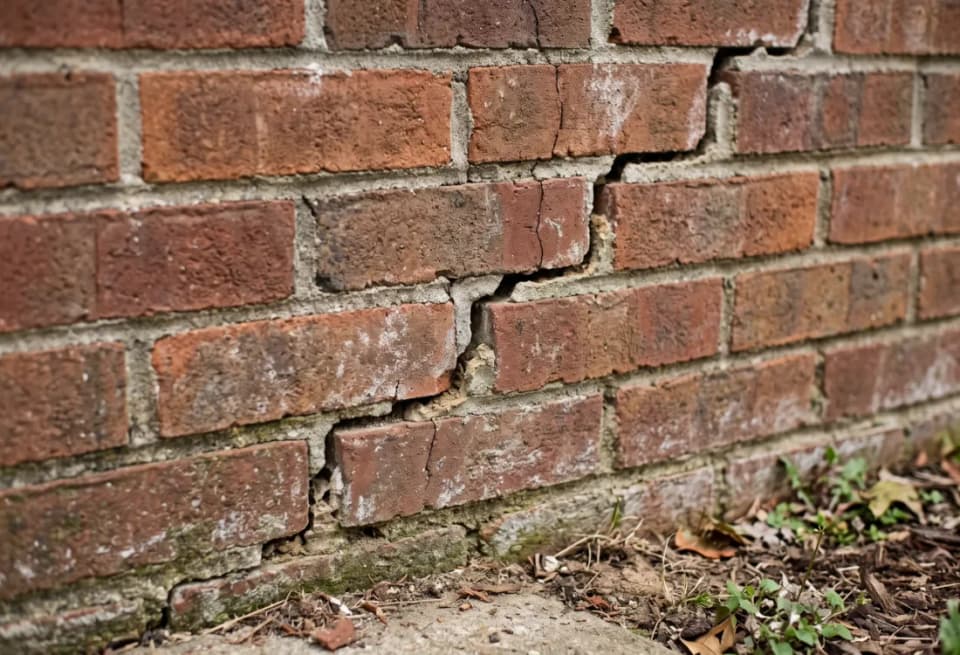
Start outside, where the evidence is often clearest. Hairline cracks in poured concrete or stucco are usually the result of normal curing and thermal movement; they are thin, stable and rarely a cause for concern. What should catch your eye instead is pattern and progression. Stair-step cracks that zigzag along the mortar joints of brick or block walls are the classic signature of differential settlement, where one part of the foundation has dropped relative to another.
Horizontal cracks in basement or foundation walls deserve particular respect, because they often indicate lateral pressure from saturated soil pushing the wall inward. Vertical cracks wider than a quarter of an inch, or any crack that you can watch growing from season to season, should be documented and assessed. Take dated photographs with a coin or ruler for scale; a crack that is stable for years is a very different matter from one that lengthens every wet season.
Doors and Windows: The Everyday Indicators
Doors and windows are surprisingly sensitive instruments for detecting movement. A door that used to swing freely but now sticks, a window that will not latch, or visible gaps between a frame and the surrounding wall all suggest the opening has gone out of square. Pay special attention to diagonal cracks radiating from the corners of door and window openings, and to drywall nail pops clustered in the same areas.
The key question is whether the change is recent and progressive. A door that has stuck slightly for twenty years is probably just an old house being an old house. A door that worked fine last year and now needs real force is telling you something has moved. Note when you first observed the change; contractors and engineers find timelines genuinely useful when diagnosing the cause.
Floors: Slopes, Bounces and Gaps
Uneven floors are among the most unsettling symptoms because you feel them every day. A simple test is to set a marble or a golf ball on the floor and watch which way it rolls, then repeat the test in several rooms to see whether the slope points consistently in one direction. Floors that slope towards the centre of the house often point to sagging support in the crawl space, such as weakened joists or settling piers, while a slope towards one corner can indicate settlement of the perimeter foundation.
Bouncy or springy floors, especially over a crawl space, usually mean the wooden support structure is compromised by moisture, rot or insect damage rather than the concrete foundation itself, but the two problems often travel together. Gaps opening between the skirting board and the floor, or between the floor and the wall, are further evidence that parts of the structure are moving relative to one another.
Basements and Crawl Spaces: Where Water Tells the Story
If your home has a basement or crawl space, it deserves a regular inspection, ideally twice a year and after any prolonged rain. Look for standing water, damp soil, efflorescence (the white mineral crust left behind when water evaporates through masonry), and any musty odour that was not there before. In crawl spaces, check that the vapour barrier is intact, look for sagging or water-stained insulation, and shine a torch along the floor joists for signs of rot or mould.
Water in the crawl space is both a symptom and a cause: it signals poor drainage outside, and it accelerates the decay of the wooden structure that holds your floors up. Many of the most expensive foundation repairs in the Tri-Cities begin as drainage problems that were ignored for years. Extending downspouts, regrading low spots and keeping gutters clear are unglamorous jobs that prevent an outsized share of structural damage.
When to Call a Professional
A good rule of thumb: one minor, stable symptom can be monitored, but multiple symptoms, or any symptom that is clearly getting worse, warrant a professional assessment. A structural engineer gives you an unbiased diagnosis, while a reputable repair contractor gives you a diagnosis plus a price for the fix; there is value in hearing both perspectives before you commit. Be cautious of free inspections that turn into high-pressure sales presentations, and never sign a contract on the first visit.
Keep your photo record, your timeline of when symptoms appeared, and notes on drainage patterns around the house. The more organised information you bring, the better the advice you will receive. For a deeper reference on each symptom and what it typically means, the team at Tri-Cities Foundation Repair Help maintains detailed homeowner resources covering every stage from first suspicion to finished repair.
Quick checklist: stair-step or horizontal cracks, cracks wider than a quarter inch, sticking doors and windows, sloping or bouncy floors, gaps at skirting boards, damp or musty crawl spaces, and water pooling near the foundation. One stable, minor item can be watched; several, or any worsening item, should be assessed.