
Foundation Repair in the Tri-Cities: What Every Johnson City, Kingsport and Bristol Homeowner Should Know
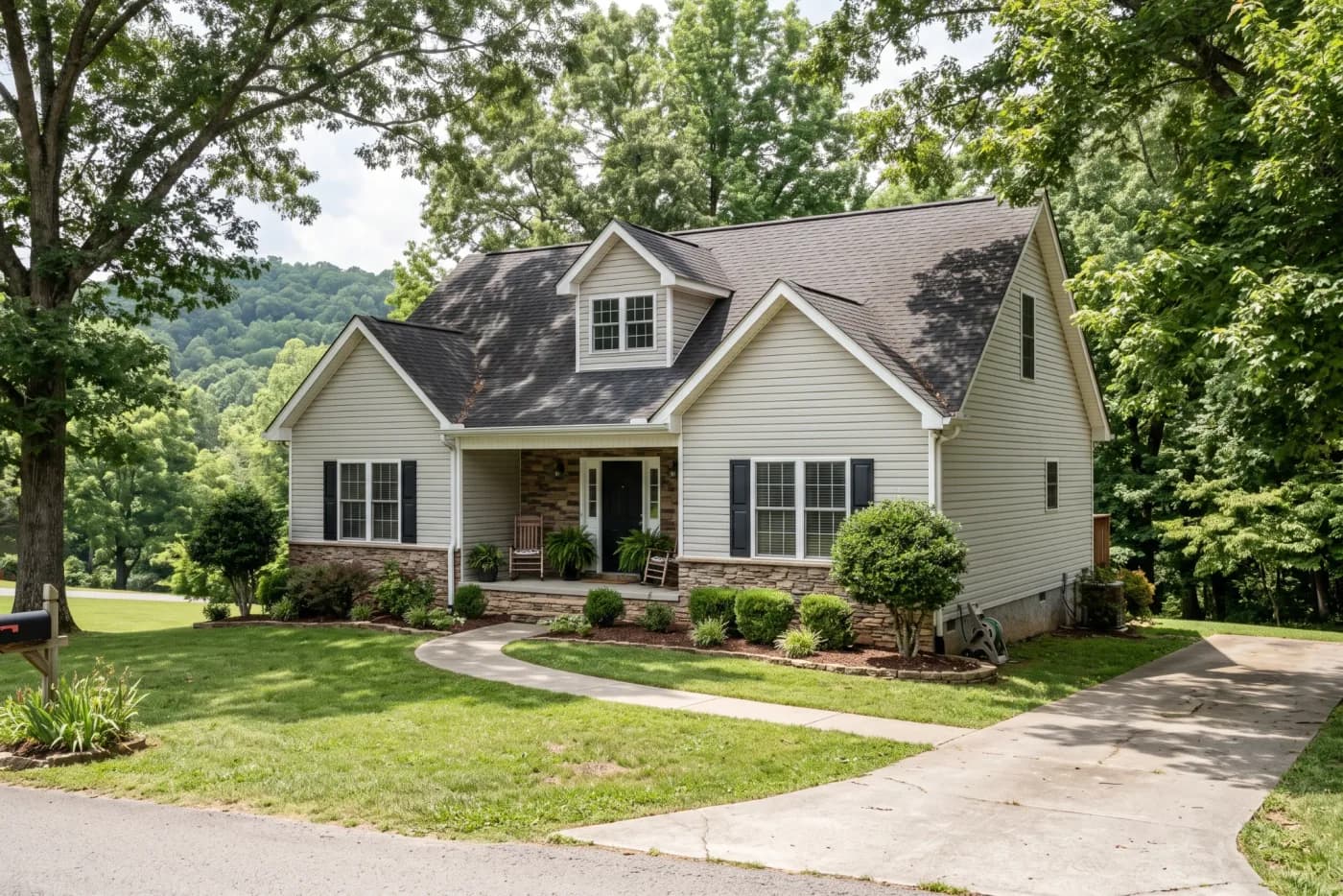
A home's foundation is the one part of the building you rarely see and almost never think about, right up until the day a crack snakes across the living-room wall or a door refuses to latch. In the Tri-Cities region of East Tennessee, foundation movement is one of the most common structural complaints homeowners face. The combination of limestone bedrock, clay-heavy soils and generous rainfall gives houses here a particular set of stresses, and understanding those stresses is the first step towards protecting your property.
This site exists to give homeowners in Johnson City, Kingsport and Bristol plain, honest information about foundation problems: what causes them, what the warning signs look like, what repairs typically cost, and how the repair process works. It is published by Tri-Cities Foundation Repair Help, an independent homeowner information and referral resource. We are not a contractor, we do not sell repairs, and nothing here is a sales pitch. If you want a broader walkthrough of the subject, the companion foundation repair guide on the main site covers the same ground in greater depth.
Why Foundations Move in East Tennessee
Foundations move when the ground beneath them changes. In the Tri-Cities, three forces do most of the work. The first is moisture. The area receives around 43.97 inches of rain in a normal year, based on 1991 to 2020 station data, and much of it arrives in heavy seasonal bursts. Clay soils swell when they absorb that water and shrink as they dry out, and that repeated swelling and shrinking pushes and pulls on foundation walls and footings year after year.
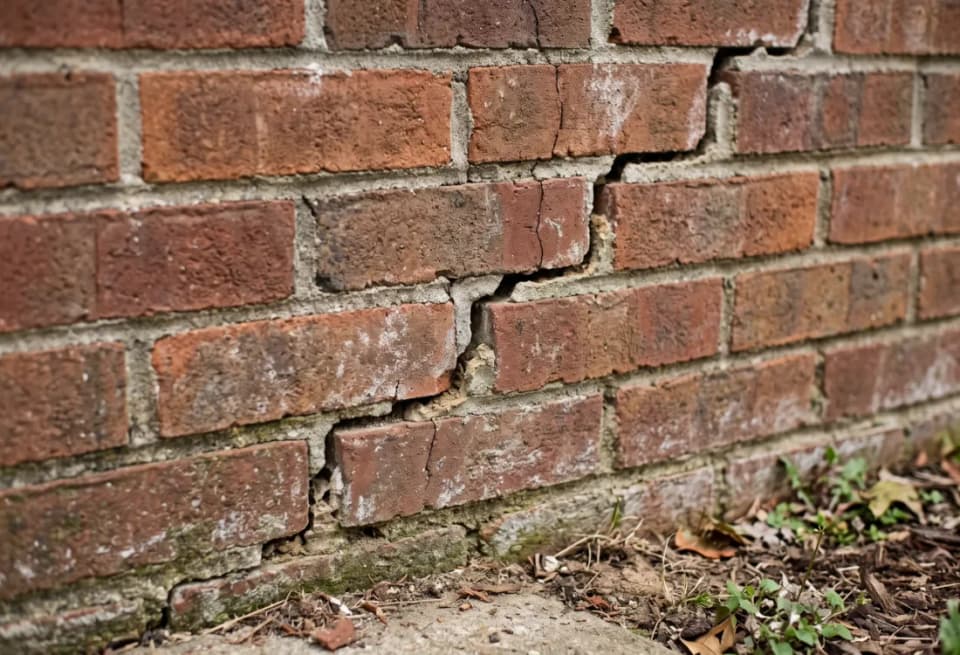
The second force is the limestone itself. Much of East Tennessee sits over limestone bedrock, and limestone dissolves slowly in slightly acidic groundwater, forming voids and uneven pockets. A footing that bears partly on solid rock and partly on soft fill will settle unevenly, and uneven settlement is what produces the classic symptoms: stair-step cracks in brickwork, sloping floors and gaps around window frames.
The third force is us. Many Tri-Cities neighbourhoods were built on graded lots where the original soil was cut, moved and compacted. Fill soil consolidates over decades, especially when drainage sends roof runoff pooling beside the foundation instead of away from it. Poor grading, clogged gutters and short downspouts are among the most fixable causes of foundation trouble, and they are worth checking before you assume the worst.
The Warning Signs Worth Taking Seriously
Not every crack means catastrophe. Concrete shrinks as it cures, and hairline cracks in a poured wall are often cosmetic. The signs that deserve professional attention are the ones that change over time or appear in patterns. Stair-step cracks following the mortar joints in brick or block walls, horizontal cracks in basement walls, cracks wider than a quarter of an inch, and any crack that is visibly growing month to month all point to movement rather than shrinkage.
Inside the house, watch for doors and windows that stick or will not close, floors that slope or feel bouncy, gaps where the skirting board meets the wall, and nail pops or drywall cracks concentrated above door and window openings. In the crawl space, look for damp soil, standing water, sagging floor joists and any musty smell that was not there before. A single symptom on its own may be minor, but several together are a strong signal that the foundation is shifting.
What Foundation Repair Usually Involves
Foundation repair is less mysterious than it sounds. For settlement, the standard fix is underpinning: steel or concrete piers are driven down to stable soil or bedrock, and the foundation is lifted or stabilised onto them. For bowing basement walls, carbon fibre straps or wall anchors can hold the wall in place. For water problems, the answer is usually drainage: interior perimeter drains, sump pumps, exterior waterproof membranes and, above all, grading and gutter work that moves water away from the house.
Costs vary widely with the method and the extent of the damage. As a rough orientation for 2026, crack injection often falls between $500 and $1,500, individual piers between $1,500 and $3,500 depending on type, and a full piering job for a settled corner of a house between $10,000 and $25,000. Drainage systems range from around $4,000 for interior perimeter drains to $20,000 or more for full exterior excavation and membrane work. These are planning figures, not quotes: every house needs its own assessment, and any contractor who prices the job without visiting the property is not someone you should hire.
How to Choose a Contractor Without Regret
The foundation repair industry has more than its share of high-pressure sales tactics, so a calm, methodical approach pays off. Get at least three assessments, and be wary of anyone who insists the work must start immediately to lock in a discount. Ask how the contractor diagnosed the problem, what exactly the proposed fix addresses, and what the warranty covers in plain language, including whether it transfers to a future buyer.
Check licensing and insurance, read reviews with a critical eye, and ask for references from jobs completed at least two years ago, because a repair that is still holding after two wet seasons is the only testimonial that matters. Be cautious of quotes that are dramatically lower than the others; in foundation work, a price that looks too good usually means a method that is too light for the problem. The team behind this resource also runs a referral service that connects homeowners with vetted local specialists, which you can read about at tricitiesfoundationrepair.com.
What You Can Do This Weekend
You do not need a contractor to start protecting your foundation. Walk around your house during the next heavy rain and watch where the water goes. Downspouts should discharge at least six feet from the foundation, and the ground should slope away from the house for the first ten feet. Clean your gutters, extend short downspouts, and fill any low spots where water ponds against the walls. These small jobs cost little and prevent a surprising share of foundation problems.
Inside, take dated photographs of any cracks you are watching, with a coin or ruler in the frame for scale. Check them every few months. If a crack is growing, or if new symptoms appear, that photo record becomes genuinely useful to any engineer or contractor you call. Early attention is almost always cheaper than late attention: a drainage fix today can prevent a piering job tomorrow.
The honest summary: Tri-Cities foundations move because of wet clay, limestone voids and decades of settlement. Most problems announce themselves early through cracks, sticking doors and damp crawl spaces. Learn the signs, keep water away from the house, and get multiple professional opinions before committing to a repair.
Where to Go From Here
Use the pages above to dig into each topic: the warning signs page shows exactly what to look for and how to tell cosmetic cracks from structural ones, the costs page breaks down 2026 pricing by method, the methods page explains piers, anchors, carbon fibre and drainage in detail, and the soil and rain page explains why East Tennessee ground behaves the way it does. Everything here is written for homeowners first, with no contractor jargon and no sales agenda.